
Doha:
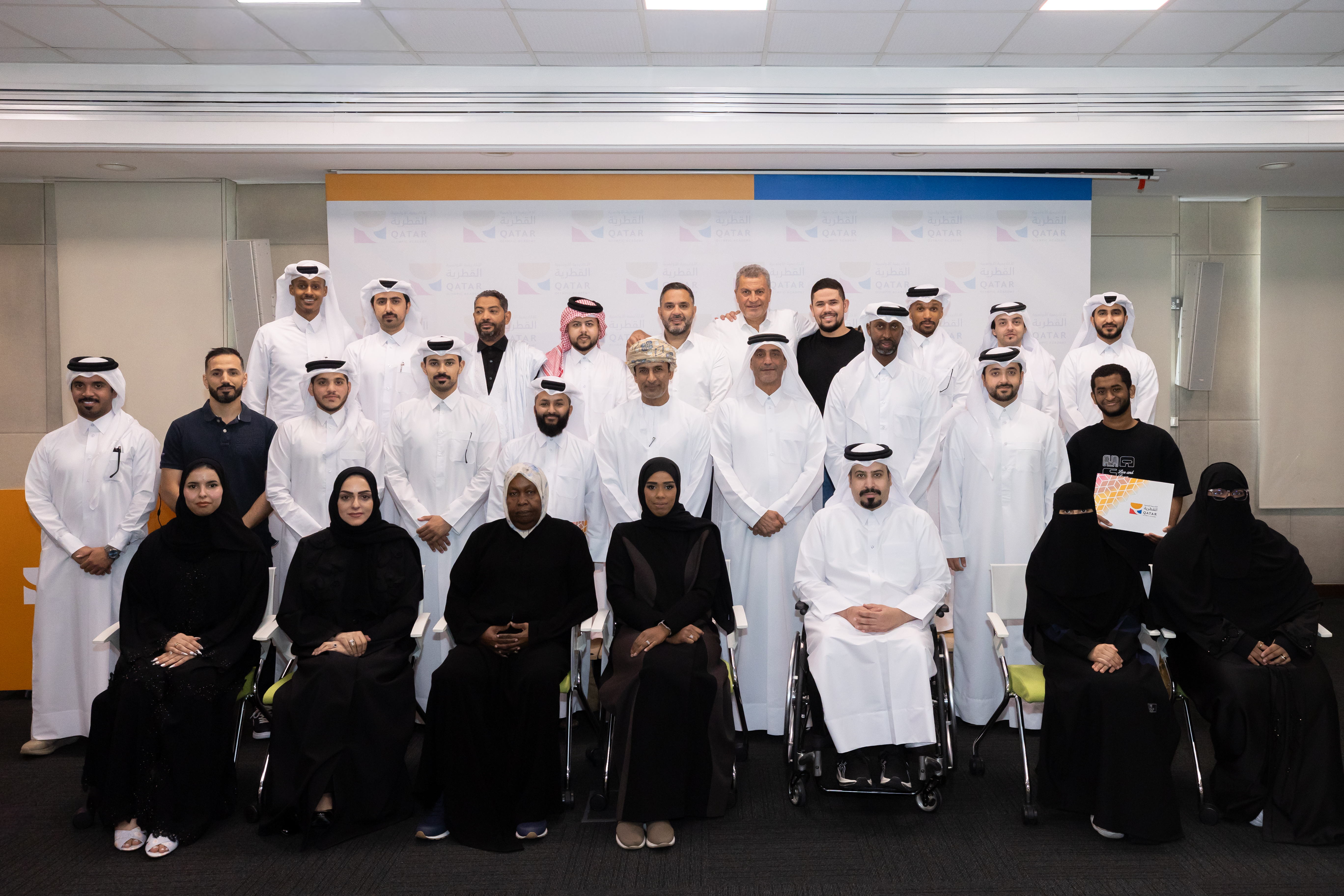
As part of its ongoing efforts to promote Olympic culture and strengthen modern sports management concepts, the Qatar Olympic Academy concluded the activities of the course “Principles of the Olympic Movement in the Sports System – Management (1)”, held from June 7 to 11, 2026. The program attracted more than forty participants from inside and outside Qatar, reaffirming the Academy’s position as a leading regional center for specialized sports education.
Organized in cooperation with and officially accredited by the Olympic Solidarity Program of the International Olympic Committee, and with the participation of the International Olympic Academy, the course reflects the Academy’s commitment to building international partnerships and enhancing the quality of scientific and practical content offered in its 2026 annual agenda.
This course is considered an important milestone within the Academy’s diverse programs and serves as a qualifying step for participants to enroll in the Diploma in Sports Institutions Management program, which has become a vital pathway for preparing national and regional cadres capable of leading the sports sector with efficiency and professionalism.
Rich Scientific Content and Comprehensive Themes
The course featured in-depth academic material delivered by Dr. Suleiman Al-Balushi, an academic and IOC-certified sports management expert with extensive regional and international experience.
Over five days, Dr. Al-Balushi presented a comprehensive program combining theoretical and practical aspects, with an interactive teaching style that encouraged critical thinking and active participation.
On the first day, he reviewed the origins of the modern Olympic Movement, tracing the history of the Games from their revival by Baron Pierre de Coubertin to their current status as one of the world’s largest sporting events. He also explained the process of bidding to host the Olympic Games, detailing the criteria used by the IOC, including organizational capacity, infrastructure, sustainability, and sporting legacy.
Olympic Committees and Institutional Roles
The course dedicated significant attention to the organizational structure of the IOC, highlighting its key committees and their vital roles in managing and developing the Olympic Movement.
Among these, the Anti-Doping Committee was emphasized for its role in safeguarding the integrity of competitions and ensuring fairness through the enforcement of international anti-doping standards.
Dr. Al-Balushi also discussed the Fair Play Committee, which promotes ethical values in sport, spreads respect and sportsmanship, and combats negative phenomena that may affect the image of competitions.
The lectures further explored the relationship between the IOC and international federations, clarifying their role in organizing and developing various sports, as well as their connection to national federations, which represent the local extension of the Olympic Movement.
Olympic Values at the Core
The course highlighted the fundamental Olympic values of excellence, friendship, and respect, which form the foundation of Olympic philosophy. Dr. Al-Balushi stressed that these values extend beyond sports competitions to broader aspects of life, contributing to building cohesive and tolerant societies and reinforcing sport’s role as a bridge between nations.
He also explained the concept of Olympic delegations, detailing their formation and responsibilities, from administrative and technical preparation to actual participation in competitions.
Olympic Organization and Major Event Management
Another key theme was the role of organizing committees in managing the Olympic Games. The lecturer addressed logistical, financial, and media challenges faced by host cities, emphasizing the importance of strategic planning and teamwork for success.
Examples of successful Olympic Games organization in various countries were analyzed, highlighting factors behind their achievements and lessons to be applied in future events.
Broad Participation and Cultural Diversity
The course saw notable participation from over forty attendees with diverse backgrounds, including sports institution employees, administrators, coaches, and students interested in sports management.
This diversity enriched discussions, as participants exchanged experiences and perspectives, adding practical depth to the academic content. Many participants praised the course as a valuable opportunity to gain specialized knowledge of the Olympic Movement and learn about the latest practices in sports institution management.
Qatar Olympic Academy… A Continuing Leadership Role
The Academy continues to strengthen its position as a pioneering educational institution in the sports field by offering programs that meet market needs and align with global developments.
This course reflects the Academy’s vision to build national capacities and equip them with the knowledge and skills required to manage sports institutions effectively, in line with Qatar’s aspirations to enhance its status as a global sports capital.
It also demonstrates the Academy’s commitment to spreading Olympic culture and promoting sports values, in harmony with the mission of the Qatar Olympic Committee to support and develop sports at all levels.
Preparing Future Sports Leaders
The course represents a first step in a comprehensive career path, enabling participants to join the Diploma in Sports Institutions Management program—one of the Academy’s flagship academic offerings.
The program aims to prepare leaders for sports institutions by equipping them with theoretical and practical expertise in management, planning, marketing, and governance.
A Successful Conclusion
At the closing ceremony, the importance of continuing to deliver such specialized programs was emphasized, as they contribute to the development of the sports sector and enhance its ability to face future challenges.
Participants were honored and awarded accredited certificates, with widespread praise for the program’s quality and the level of lectures, reflecting the course’s success in achieving its objectives.
Through this, the Qatar Olympic Academy continues its pioneering role in preparing sports professionals and instilling Olympic values, advancing the mission of sport as a tool for development and community building.
أكثر الأخبار
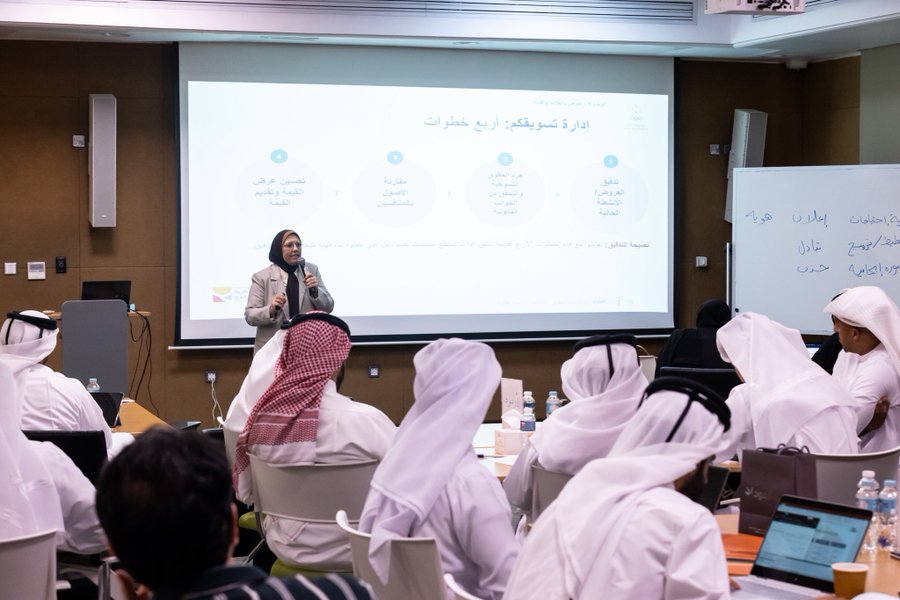
ختام الفصل الخامس "إدارة التسويق في المؤسسات الرياضية والأولمبية" من برامج دبلوم إدارة المؤسسات الرياضية
الدوحة - قطر في إطار رسالتها الرامية إلى تطوير الكفاءات الوطنية والعربية العاملة في القطاع الرياضي، واصلت الأكاديمية الأولمبية القطرية تنفيذ برنامج دبلوم إدارة المؤسسات الرياضية المعتمد من اللجنة الأولمبية الدولية والتضامن الأولمبي والأكاديمية الأولمبية الدولية، حيث اختتمت أعمال الفصل الخامس من البرنامج التدريبي والذي حمل عنوان "إدارة التسويق في المؤسسات الرياضية والأولمبية"، وذلك يومي الثاني عشر والثالث عشر من أكتوبر 2026، بمشاركة أربعة وخمسين طالباً وطالبة نخبة من الدارسين والمهتمين بالإدارة الرياضية من العاملين في المؤسسات الرياضية واللجان والأندية والاتحادات الرياضية من مختلف التخصصات الوظيفية والعلمية.
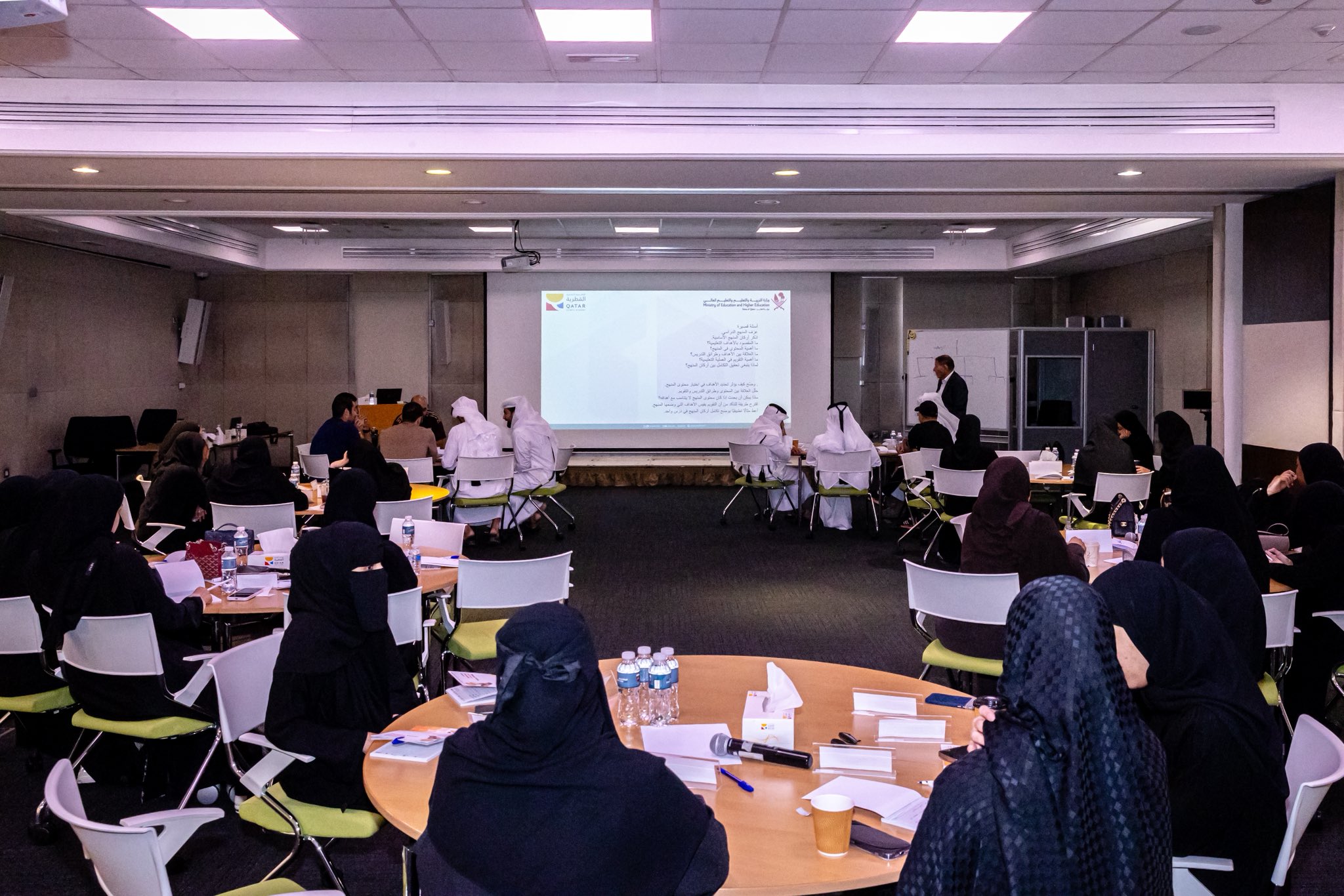
ختام دورة إعداد معلمي التربية البدنية في ضوء القيم الأولمبية
الدوحة - قطر في إطار جهودها المستمرة للإسهام في تطوير المنظومة الرياضية والتعليمية الوطنية، نفذت الأكاديمية الأولمبية القطرية بالتعاون مع وزارة التربية والتعليم والتعليم العالي "دورة إعداد معلمي التربية البدنية في ضوء القيم الأولمبية" والتي خصصت لمعلمي التربية البدنية في دولة قطر "المستوى الأول"، وذلك ضمن برنامج متكامل يستهدف تعزيز الكفاءة المهنية للمعلمين وإعدادهم لمواكبة المتغيرات الحديثة في مجالات التعليم والتربية البدنية والرياضة المدرسية.

الأكاديمية الأولمبية القطرية تختتم دورة «السياسات الرياضية والأطر القانونية في الرياضة»
الدوحة - 30 سبتمبر 2026 اختتمت الأكاديمية الأولمبية القطرية دورة السياسات الرياضية والأطر القانونية في الرياضة، التي أُقيمت على مدار ثلاثة أيام خلال الفترة من 28 إلى 30 سبتمبر 2026، بمشاركة عدد من العاملين والمهتمين بالقطاع الرياضي من داخل دولة قطر وخارجها، ومن مختلف القطاعات الحكومية والخاصة، من مختلف التخصصات الوظيفية والعلمية.