
Doha:
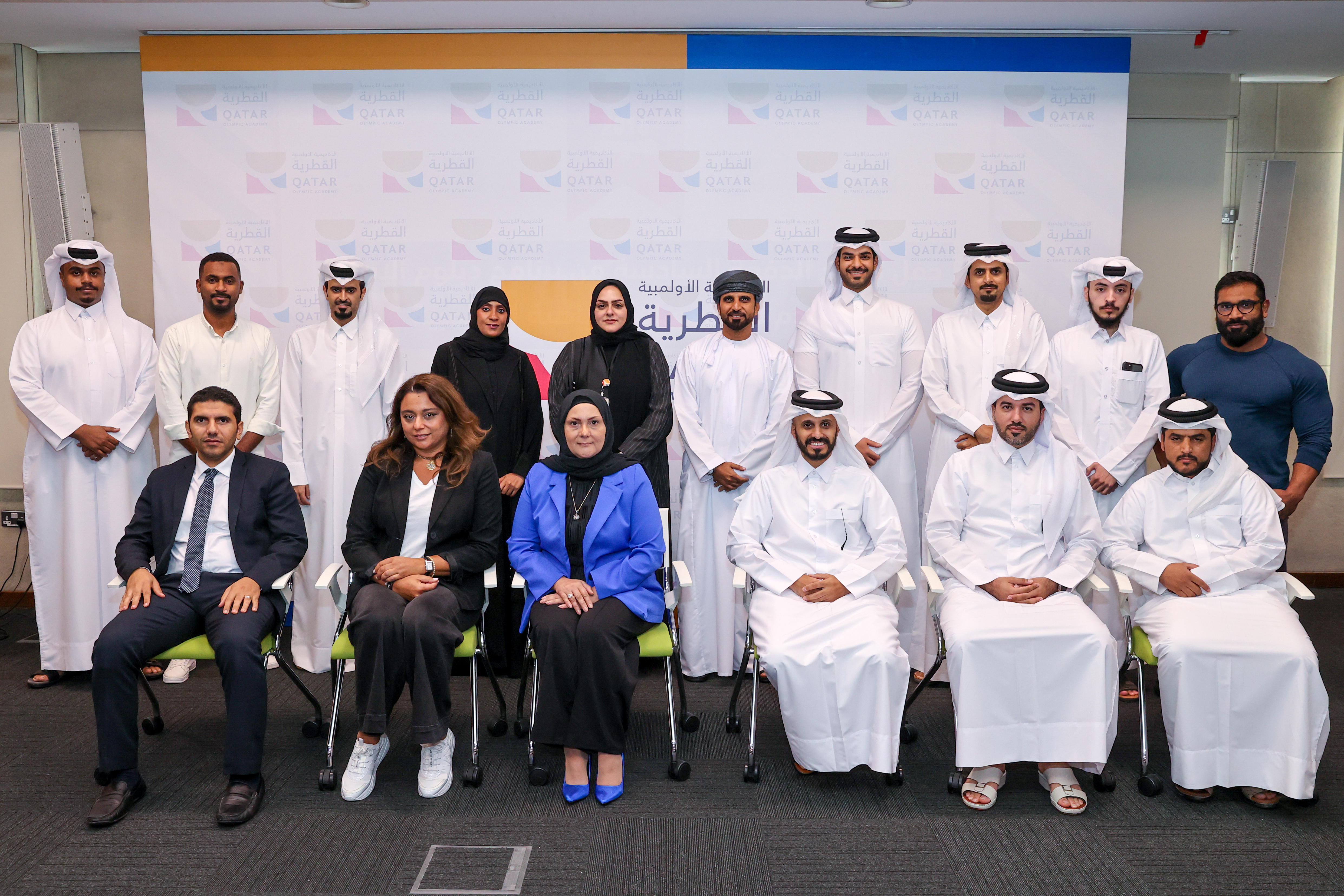
In collaboration with the Olympic Solidarity of the International Olympic Committee, the academy concluded the course on the Principles of the Olympic Movement in the Sports System "Management 1," which the academy holds as part of a series of sports management programs accredited by the International Olympic Committee on a regular basis throughout the year.
This course is considered the first preparatory stage for the Diploma Program in Sports and Olympic Management, which the academy holds every year. It sees a significant turnout from students interested in administrative work in the sports field, both from within Qatar and abroad. Many sports leaders in the region, particularly in the Gulf Cooperation Council, have graduated from this program.
This course lasted for five days from September 1st to 5th, with the participation of nearly thirty students from both inside and outside Qatar, who belong to various sports, administrative, technical, and specialized fields.
The course was presented by Professor Hisham Al-Adwani, Vice President of the Omani School Sports Federation, Director of the Sports Management Diploma Program at the International Olympic Committee, and an international lecturer in sports management accredited by the International Olympic Committee, who has held numerous administrative positions in the field of Omani sports.
At the beginning of the program, the aggressive speaker discussed the concepts of sports management, which is defined as the art of coordinating the elements of work and the sports product within sports organizations and presenting it in an organized manner to achieve the goals of these organizations. It is also necessary to define the goals in sports management; however, there are other important elements that represent the pillars of any successful sports administrative work.
He then spoke about the founding of the Olympic movement and the modern Olympic Games (Olympic history), noting that the ancient Olympic Games were organized in Olympia, Greece, from the eighth century BC until the fifth century AD. The organization of the modern Summer Olympics, in their current form, began in 1896, initiated by the Frenchman Pierre de Coubertin, the president of the International Olympic Committee and the founder of the modern Olympic movement. In that edition, 241 athletes from 14 countries participated, competing in nine sports and 43 events.
The games experienced a halt during World War I and also during World War II, only to witness development in the 20th century, which manifested in the establishment of the Winter Olympic Games for ice and snow sports, the Paralympic Games, and the Youth Olympic Games.
Social, economic, and global technological changes have influenced the trajectory of the Olympic Games, which were originally exclusive to amateur athletes, transforming them into an event open to professionals. This shift has resulted in increased media interest and expanded marketing through the growing sponsorship of major corporations.
Then he moved on to discuss the Olympic symbols, the Olympic Charter, and Olympic values, noting that the Olympic Charter serves as the constitution for the Olympic movement and the organization of the Olympic Games. It encompasses the rules and regulations established by the International Olympic Committee, and in the event of a dispute or disagreement regarding the interpretation or application of these decisions, it is resolved by the Executive Board of the International Olympic Committee.
In some cases, disputes are resolved through arbitration before the Court of Arbitration for Sport (CAS), which was established in 1993. The court is composed of twenty judges and is considered an independent authority separate from the International Olympic Committee.
On the fourth day, the focus of the lecture was on management skills and the steps to develop administrative and sports personnel, which positively reflect on the achievements made by sports federations, whether in professional sports or in community sports and promoting sports within society.
On the last day, the lecture discussed planning and resource management in sports institutions, and a test was conducted for the students on what they had studied during the five days of the course.
It is worth mentioning that this course is considered the first qualifying part of the Sports Management Diploma program. The academy will also offer the second qualifying course titled "Modern Management for Olympic Sports Institutions" in mid-October. This course will cover several relevant topics, primarily focusing on management skills in the sports field, such as the benefits of good communication and effective interaction, as well as managing the work environment, time management in sports institutions, and the importance of time management. Other key topics will include technical management, event and activity management, as well as human resources management.
أكثر الأخبار

الأكاديمية الأولمبية القطرية تختتم دورة «السياسات الرياضية والأطر القانونية في الرياضة»
الدوحة - 30 سبتمبر 2026 اختتمت الأكاديمية الأولمبية القطرية دورة السياسات الرياضية والأطر القانونية في الرياضة، التي أُقيمت على مدار ثلاثة أيام خلال الفترة من 28 إلى 30 سبتمبر 2026، بمشاركة عدد من العاملين والمهتمين بالقطاع الرياضي من داخل دولة قطر وخارجها، ومن مختلف القطاعات الحكومية والخاصة، من مختلف التخصصات الوظيفية والعلمية.
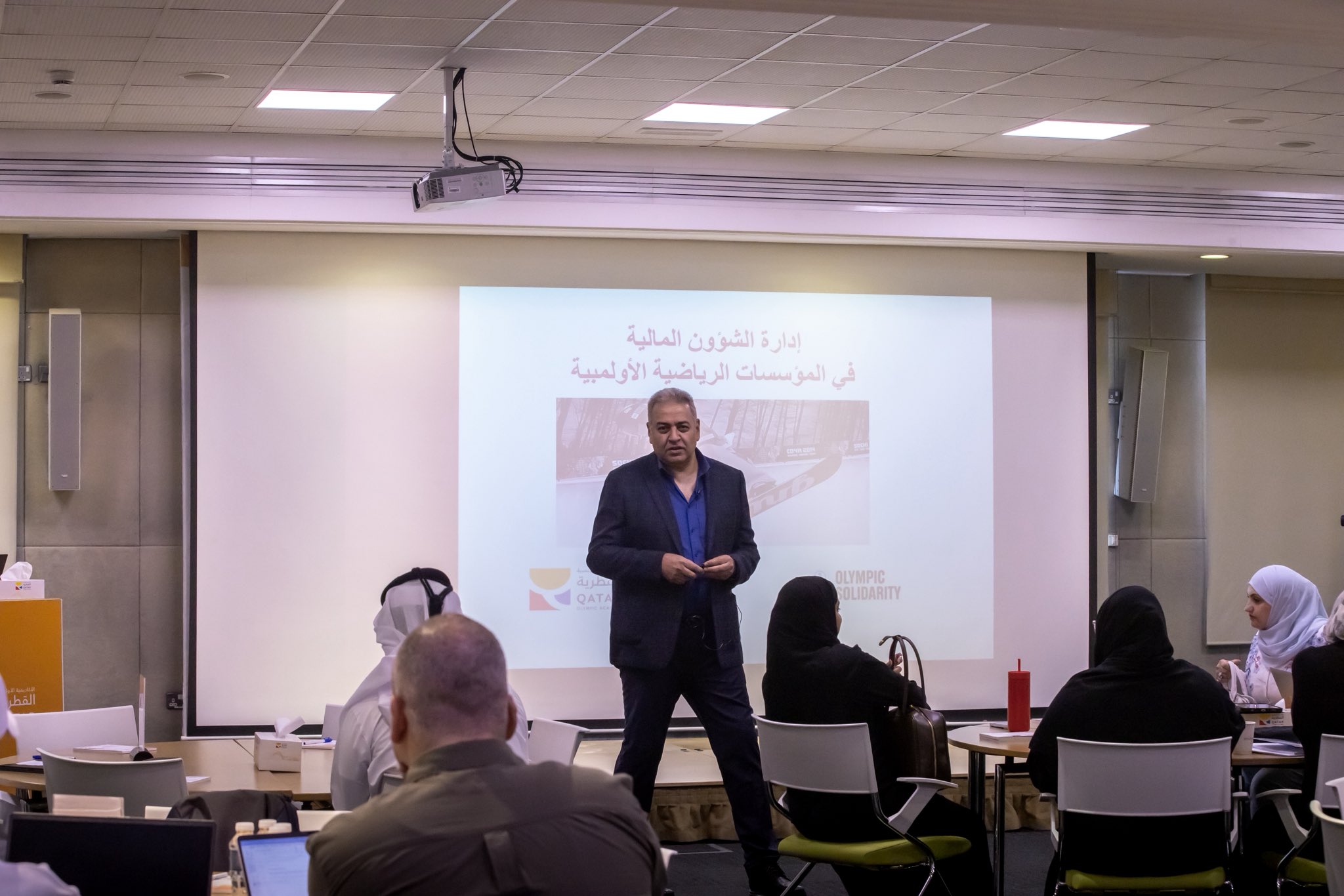
الأكاديمية الأولمبية القطرية تختتم فصل الإدارة المالية في المؤسسات الرياضية.
الدوحة: اختتمت الأكاديمية الأولمبية القطرية محاضرات الفصل الرابع من برنامج الدبلوم في الإدارة الرياضية، والذي جاء تحت عنوان "الإدارة المالية في المؤسسات الرياضية" وذلك في إطار جهود الأكاديمية المستمرة لتطوير وتأهيل الكوادر الرياضية والإدارية، وتعزيز معارفهم ومهاراتهم في مختلف التخصصات المرتبطة بالإدارة الرياضية الحديثة.
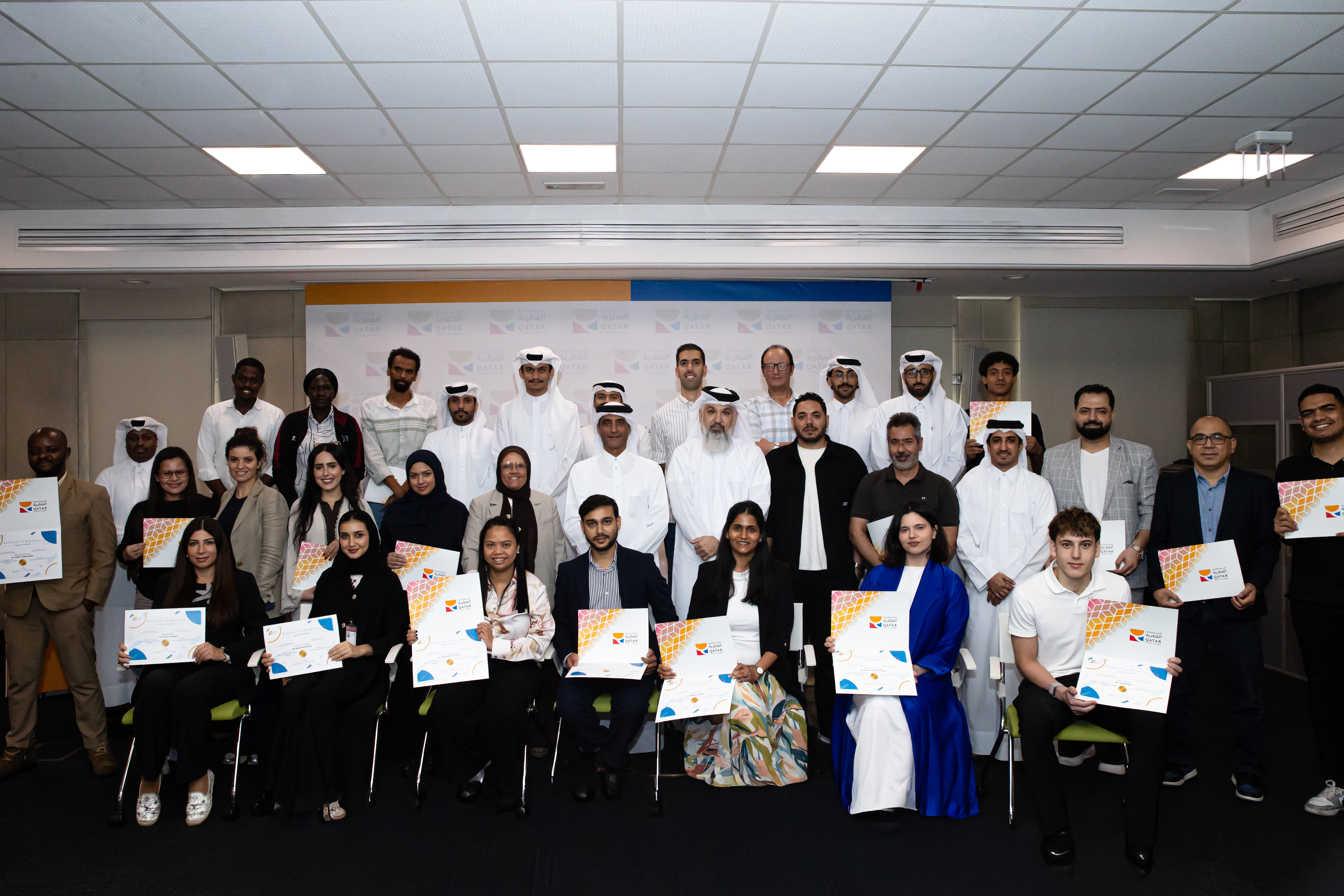
الأكاديمية الأولمبية القطرية تختتم دورة «الاتصالات الرقمية في التسويق الرياضي»
الدوحة: اختتمت الأكاديمية الأولمبية القطرية دورة الاتصالات الرقمية في التسويق الرياضي، التي أقيمت في مقر الأكاديمية خلال الفترة من 31 أغسطس إلى 3 سبتمبر 2026، ضمن سلسلة البرامج والدورات المتنوعة التي تقدمها الأكاديمية ضمن اجندة الدورات للعام الأكاديمي الحالي 2026 بهدف تطوير قدرات العاملين والمهتمين بالقطاع الرياضي، ومواكبة التطورات المتسارعة في مجالات التسويق والإعلام والاتصال الرقمي.