

Doha, September 30, 2026
The Qatar Olympic Academy successfully concluded its Sports Policies and Legal Frameworks in Sport course, held over three days from September 28 to 30, 2026, with the participation of professionals and stakeholders from the sports sector both within and outside the State of Qatar. Participants represented various governmental and private sector organizations and came from diverse professional and academic backgrounds.
The course forms part of the Academy’s wide-ranging educational and training programs under its 2026 agenda, as well as its series of sports event management courses, a key area of focus this year. It reflects the Academy’s ongoing commitment to developing national and regional competencies and enhancing specialized knowledge in the fields of sports management and event organization.
The program also aimed to keep pace with the rapid development of the sports sector at both the local and international levels and to prepare professionals capable of addressing the organizational, administrative, and technical aspects associated with sporting events.
The course was delivered by Mr. Thanasis Grigoropoulos, an international expert in sports management. Through a series of lectures and practical sessions, he addressed various topics related to sports policies and the legal and regulatory frameworks governing the management of sporting events. The course also highlighted international best practices in governance, operational planning, risk management, and legal responsibilities.
The program focused on enhancing participants’ understanding of the policies and procedures governing major sporting events, while clarifying the key differences between policies and operational procedures and the role each plays in organizing institutional work and defining responsibilities and authorities. This contributes to improving planning and implementation mechanisms and strengthening coordination and integration among stakeholders involved in sports event organization.
The lectures emphasized that the success of any sporting event depends not only on technical and logistical aspects but also on the existence of an integrated framework of policies, regulations, and operational procedures that ensures clarity of roles and responsibilities and provides an organizational structure capable of supporting decision-making and achieving objectives efficiently and effectively.
The training program included a detailed review of governance principles and their application in sports event management. Particular emphasis was placed on the importance of implementing modern governance standards as one of the fundamental pillars for the success of sports organizations and for enabling them to manage resources and operations more efficiently and transparently.
The lecturer also discussed the importance of clearly defined roles and responsibilities within the sports management system, highlighting the need for well-established organizational structures that promote harmony among different teams and support timely decision-making throughout the various stages of event organization.
Mr. Grigoropoulos further explored the operational management of sports venues as a critical component of successful event delivery. The sessions reviewed the principles that ensure continuity of operations within sports facilities, mechanisms for coordination among departments, and best practices for addressing operational challenges and emergency situations that may arise during events.
A significant portion of the course was dedicated to risk management and legal liability associated with sporting events. Participants examined practical models and case studies focused on handling potential risks before, during, and after an event.
Discussions highlighted the importance of advance planning, contingency preparation, and crisis response strategies, in addition to understanding the legal responsibilities of organizing bodies and methods for complying with relevant regulatory and legislative requirements. These elements strengthen the ability of sports professionals to make informed decisions and take appropriate action when needed.
The course also covered several topics related to the legal and regulatory obligations accompanying different phases of sports event organization, emphasizing the importance of establishing work environments based on clear policies and approved procedures that enhance performance and support safe and efficient operations.
Throughout the sessions, the lecturer stressed that modern sports event management requires a comprehensive understanding of the relationship between governance, policy, and operations. These elements form an integrated system that cannot be separated, and the success of any sporting event depends on the alignment between strategic planning and on-the-ground implementation.
As part of the practical component, participants explored operational planning for sports venues and the organization of various services during the hosting of sports competitions and events. They were introduced to a range of internationally recognized models used in sports facility management and operations.
The concept of “Level of Service” was one of the key topics discussed during the course. Participants learned how to identify and assess the needs of different stakeholder groups associated with sporting events, including athletes, technical teams, administrators, sports officials, VIPs, spectators, and media representatives.
Lectures highlighted the importance of aligning services with the needs of each group through careful planning of accommodation, transportation, accreditation, catering, security, and logistical support services, ensuring a comprehensive experience that contributes to the success of the event and meets stakeholder expectations.
The course also presented a practical model for space allocation within a sports arena. The model included the designation of entry and exit points for different groups, athlete areas, media zones, VIP sections, spectator seating, and medical and operational facilities.
The model demonstrated the importance of effective spatial planning in ensuring smooth movement throughout the venue, minimizing congestion and operational conflicts, and improving overall efficiency and coordination among event staff and working teams.
Interactive sessions featured in-depth discussions on designing movement flows within sports facilities in a manner that meets safety, security, and operational efficiency requirements, while emphasizing the strategic distribution of facilities and services to support seamless mobility and facilitate operational tasks.
To bridge theory and practice, participants worked on operational policy templates that provided opportunities to learn about developing policies and procedures related to sports facility management and event organization, translating theoretical concepts into practical and implementable actions.
Practical workshops also addressed methods for defining responsibilities and allocating tasks within sports facilities, helping to ensure clarity of roles among departments and organizational units while enhancing the ability of sports institutions to achieve their operational and organizational objectives more effectively.
The course underscored the importance of maintaining clear and continuously updated operational policies due to their role in improving service quality, enhancing work environments, strengthening resource management capabilities, and enabling organizations to respond effectively to changing circumstances and operational challenges during sporting events.
This course reflects the Qatar Olympic Academy’s commitment to continuing its leading role in sports education and professional development through the provision of specialized training programs aligned with the latest global trends in sports management and major event organization.
It also demonstrates the Academy’s ongoing efforts to build the capacities of sports sector professionals and equip them with the knowledge and tools necessary to address the growing challenges resulting from the continuous evolution of the sports industry, thereby enhancing the effectiveness of sports institutions and supporting organizational excellence.
The course concluded by emphasizing the importance of continuously developing the operational, legal, and administrative systems associated with sporting events and adopting international best practices in governance, risk management, and operational planning to ensure the highest standards of efficiency, organization, and sustainability in future sports event management.
The program represents an important step toward enabling participants to gain a more comprehensive understanding of the relationship between sports policies, legal frameworks, and practical implementation, thereby enhancing their readiness to contribute effectively to the organization and management of sporting events in accordance with professional standards that support the growing ambitions of Qatar’s sports sector.
أكثر الأخبار

الأكاديمية الأولمبية القطرية تختتم دورة «السياسات الرياضية والأطر القانونية في الرياضة»
الدوحة - 30 سبتمبر 2026 اختتمت الأكاديمية الأولمبية القطرية دورة السياسات الرياضية والأطر القانونية في الرياضة، التي أُقيمت على مدار ثلاثة أيام خلال الفترة من 28 إلى 30 سبتمبر 2026، بمشاركة عدد من العاملين والمهتمين بالقطاع الرياضي من داخل دولة قطر وخارجها، ومن مختلف القطاعات الحكومية والخاصة، من مختلف التخصصات الوظيفية والعلمية.
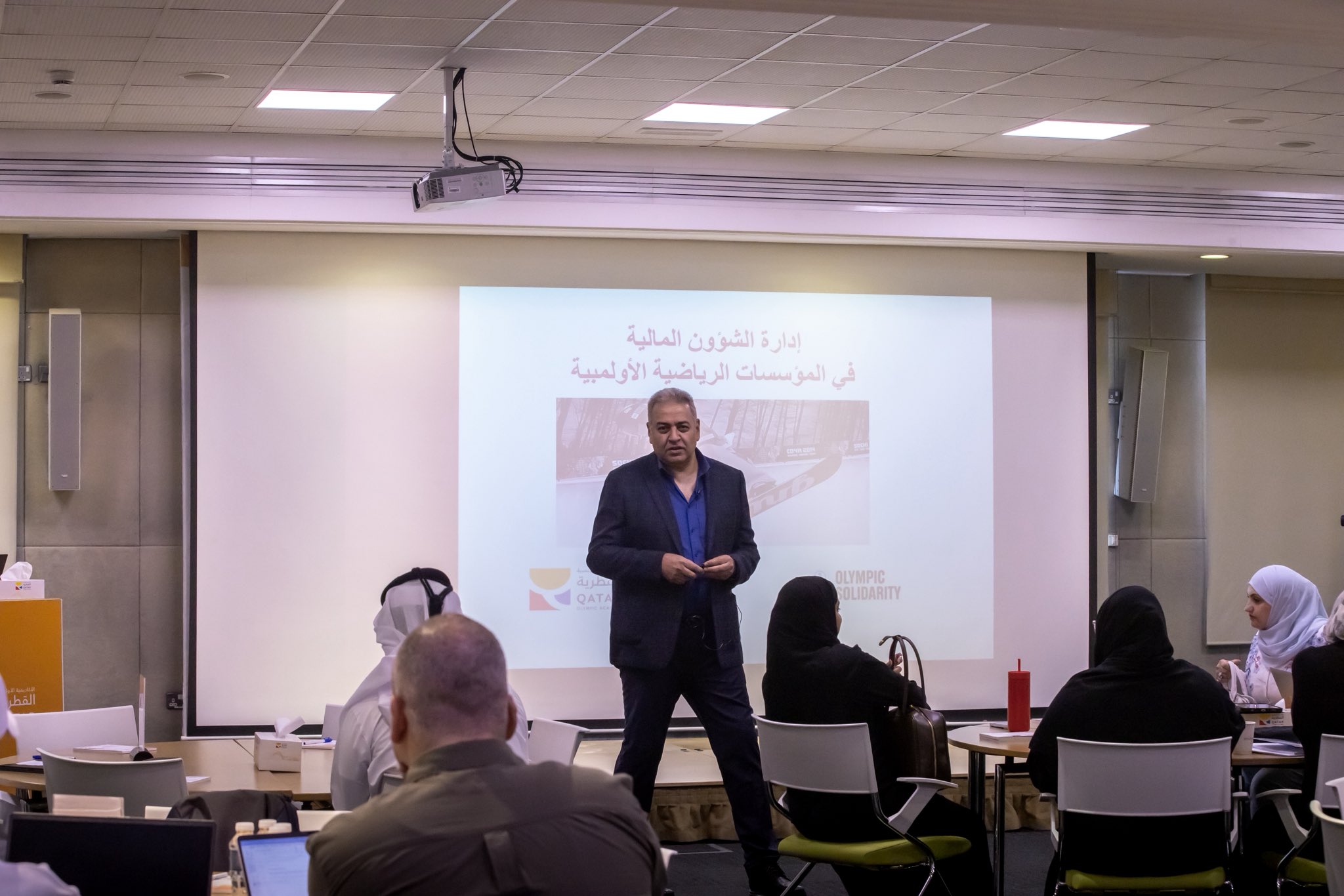
الأكاديمية الأولمبية القطرية تختتم فصل الإدارة المالية في المؤسسات الرياضية.
الدوحة: اختتمت الأكاديمية الأولمبية القطرية محاضرات الفصل الرابع من برنامج الدبلوم في الإدارة الرياضية، والذي جاء تحت عنوان "الإدارة المالية في المؤسسات الرياضية" وذلك في إطار جهود الأكاديمية المستمرة لتطوير وتأهيل الكوادر الرياضية والإدارية، وتعزيز معارفهم ومهاراتهم في مختلف التخصصات المرتبطة بالإدارة الرياضية الحديثة.
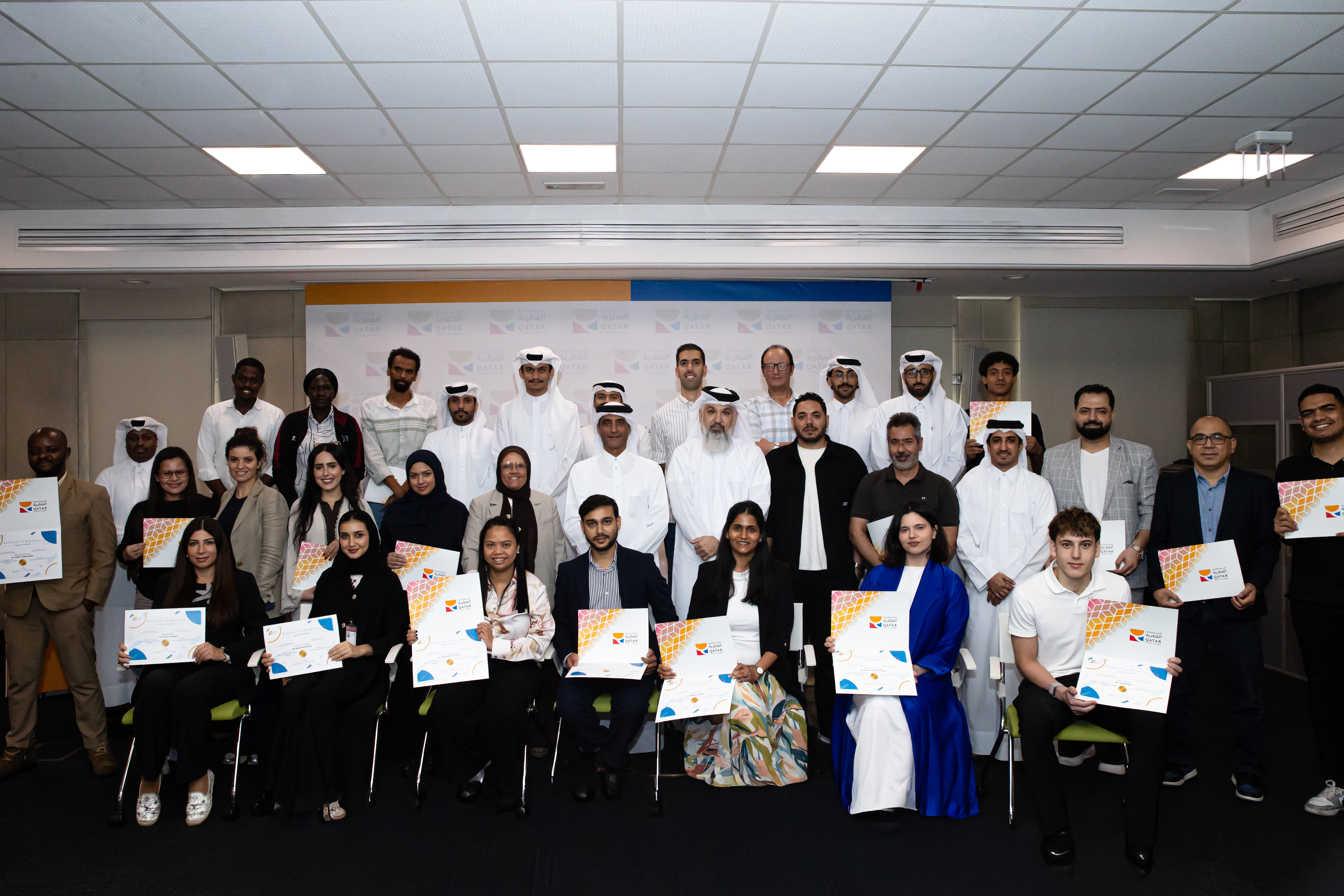
الأكاديمية الأولمبية القطرية تختتم دورة «الاتصالات الرقمية في التسويق الرياضي»
الدوحة: اختتمت الأكاديمية الأولمبية القطرية دورة الاتصالات الرقمية في التسويق الرياضي، التي أقيمت في مقر الأكاديمية خلال الفترة من 31 أغسطس إلى 3 سبتمبر 2026، ضمن سلسلة البرامج والدورات المتنوعة التي تقدمها الأكاديمية ضمن اجندة الدورات للعام الأكاديمي الحالي 2026 بهدف تطوير قدرات العاملين والمهتمين بالقطاع الرياضي، ومواكبة التطورات المتسارعة في مجالات التسويق والإعلام والاتصال الرقمي.