

Last Thursday, the Qatar Olympic Academy concluded the course of principles of the Olympic movement in the sports organizations - level 1, organized in cooperation with the Olympic Solidarity in the International Olympic Committee as part of the series of annual sessions to educate the community about the Olympic culture, where it is the first qualifying course for the diploma program of management of sports and Olympic institutions held by the Academy for the twelfth year, from which many sports leaders in the Gulf Cooperation Council graduated, while the second qualifying course comes under the name of modern management in sports institutions.
The course lasted for 5 days from 4 to 8 September with the participation of a number of learners from many different sports and administrative disciplines. The course was presented by Dr. Maha Zaoui, Advisor to the Minister of Youth and Sports of the Republic of Tunisia, a university professor at the Faculty of Physical Education at Jendouba University, in addition to being the former President of the Tunisian Olympic Academy and a former member of the Executive Bureau of the Tunisian Olympic Committee.
On the first day, Dr. Maha talked about the concepts of sports management, which is defined as the art of coordinating the elements of work and sports product in sports bodies and directing it in organized pictures in order to achieve these bodies and direct all efforts within the sports body to achieve its goals, as the goals are also required to be determined in sports management, but there are other important elements that represent the pillars of any successful sports administrative work.
She also talked on the second day about the establishment of the Olympic Movement and the Modern Olympic Games (Olympic History), where the organization of the ancient Olympic Games began in the city of Olympia, Greece in the eighth century BC until the fifth century AD and then the organization of the modern Summer Olympics, which are in its current form, began in 1896 at the initiative of the Frenchman Pierre de Coubertin, President of the International Olympic Committee and founder of the modern Olympic Movement, where 241 players from 14 countries competed in the Nine games and 43 competitions. Global social, economic and technological changes have influenced the course of the Olympic Games, which were for amateur athletes to become open to professionals, leading to increased media interest in them and expanded their marketing through increased sponsorship by large corporations. On the third day, I talked about the Olympic Charter and Values, which is the constitution of the work of the Olympic Movement and the organization of the Olympic Games, and is the compilation of the provisions and laws approved by the International Olympic Committee, and in the event of a dispute or disagreement over the interpretation or application of these decisions, they are decided by the Executive Office of the International Olympic Committee. On the fourth day, the focus of the lecture was on administrative skills and steps to develop administrative and sports cadres, which reflect positively on the achievements of sports federations, whether at the level of professional sports or on community sports and the dissemination of sports among the community.
On the last day, a test was conducted for learners in addition to the last lecture, which was on planning and management of resources in sports institutions. It is worth mentioning that this course is considered the first part of the diploma program of sports management while the second part will be under the name of the modern management course for Olympic sports institutions at the end of next September, which talks about a number of related axes, foremost of which are administrative skills in the field of sports such as the benefits of good communication and effective communication, as well as the management of the work environment, time management in sports institutions, the importance of time management in addition to other topics, most notably technical management and management of activities and events as well as Human resources management.
More news
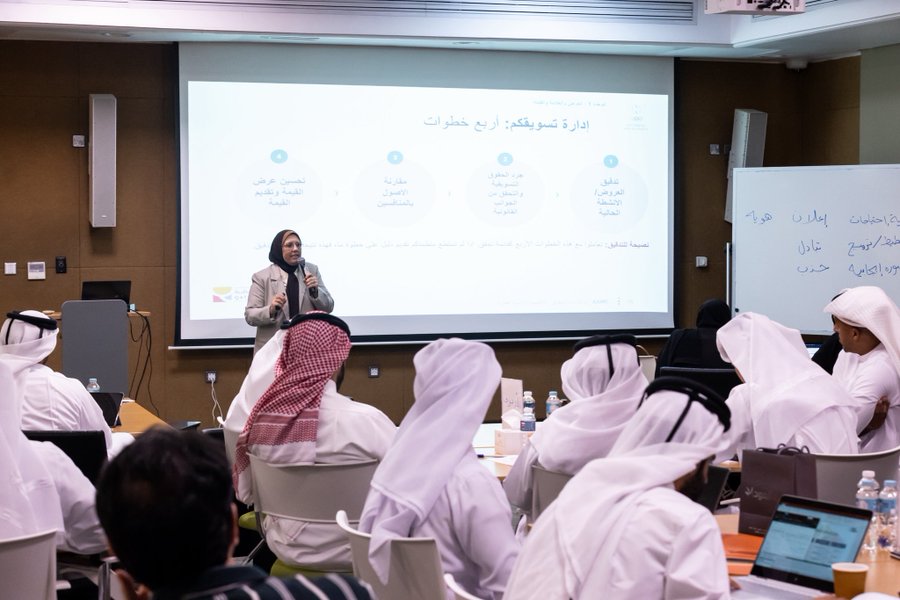
Conclusion of the Fifth Module, “Marketing Management in Sports and Olympic Organizations,” of the Sports Management Diploma Program
Doha, Qatar As part of its mission to develop national and Arab professionals working in the sports sector, the Qatar Olympic Academy continued the delivery of its Sports Management Diploma Program, accredited by the International Olympic Committee (IOC), Olympic Solidarity, and the International Olympic Academy. The Academy recently concluded the fifth module of the program, entitled “Marketing Management in Sports and Olympic Organizations,” held on 12 and 13 October 2026, with the participation of 54 male and female students representing a distinguished group of learners and professionals from sports organizations, committees, clubs, and sports federations, covering a wide range of professional and academic disciplines.
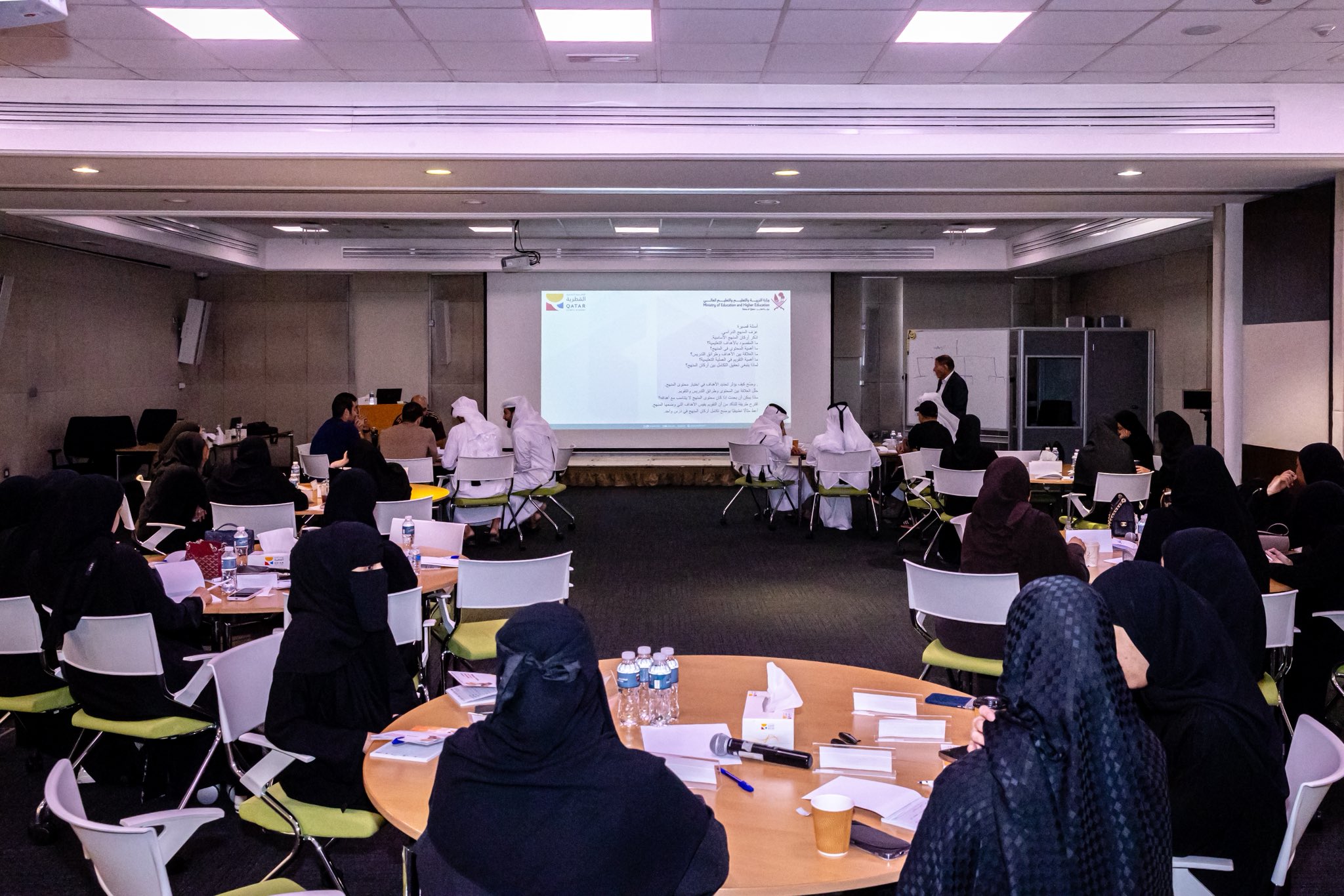
Closing of the Physical Education Teachers Preparation Course in Light of Olympic Values
Doha, Qatar As part of its ongoing efforts to contribute to the development of Qatar’s national sports and educational systems, the Qatar Olympic Academy, in cooperation with the Ministry of Education and Higher Education, successfully delivered the “Physical Education Teachers Preparation Course in Light of Olympic Values.” The course was designed for Level One Physical Education teachers in the State of Qatar and formed part of a comprehensive program aimed at enhancing teachers’ professional competencies and preparing them to keep pace with modern developments in education, physical education, and school sports.
Qatar Olympic Academy Concludes “Sports Policies and Legal Frameworks in Sport” Course
Doha, September 30, 2026 The Qatar Olympic Academy successfully concluded its Sports Policies and Legal Frameworks in Sport course, held over three days from September 28 to 30, 2026, with the participation of professionals and stakeholders from the sports sector both within and outside the State of Qatar. Participants represented various governmental and private sector organizations and came from diverse professional and academic backgrounds.