

Doha:
The Qatar Olympic Academy concluded the fourth module of its Advanced Diploma Program in Sports and Olympic Institutions Management, titled "Financial Management in Sports and Olympic Institutions," held on June 25 and 26. The module was preceded by two days during which students presented projects from the previous module, "Human Resources Management in Sports and Olympic Institutions."
The lectures were delivered by Dr. Bilal Al-Salem, Professor of Accounting at the College of Business and Economics at Qatar University, who holds a PhD in Accounting from the University of Sheffield, UK.
The lectures covered key topics, starting with the concept of sound financial management and its importance in achieving institutional financial stability. They also addressed strategic financial planning, developing accurate budgets to ensure optimal resource utilization, systematic management approaches, financial evaluation methods, and preparing reports to aid decision-makers in performance analysis and future planning.
On the first day, Dr. Al-Salem began by defining "sound financial management," emphasizing that it extends beyond recording financial transactions to include proper planning, effective oversight, and strategic decision-making. He highlighted that poor financial management is a primary cause of institutional failure, citing global case studies. He then discussed "financial planning," stressing the importance of setting clear, measurable financial goals, analyzing internal and external environments, and using tools like SWOT analysis and financial modeling to forecast future scenarios. The final part of the first day focused on budgeting, where Dr. Al-Salem explained the difference between operational and capital budgets, efficient resource allocation, and methods to avoid financial deficits through cash flow management. The session included a real-world case study of an institution that improved its financial performance by adopting flexible budgeting strategies.
The second day began with a focus on financial accounting, covering fundamental principles such as accrual and matching, the significance of expenses and revenues in performance evaluation, and the use of modern accounting software to streamline operations. Dr. Al-Salem then discussed financial evaluation, highlighting tools like Return on Investment (ROI), Net Present Value (NPV), and financial ratio analysis (liquidity, leverage, and efficiency), and their role in future planning.
The lectures concluded with a discussion on preparing financial reports, addressing the differences between internal and external reports, presenting complex data clearly for non-financial stakeholders, and the ethics of financial reporting to avoid misrepresentation. At the end of the module, Dr. Al-Salem emphasized that "financial management is not just for accountants but a vital skill for every institutional leader." He praised the attendees' engagement, diverse backgrounds, and keen interest in the subject.
Notably, the Advanced Diploma Program in Sports and Olympic Institutions Management, now in its 15th edition, is organized by the Qatar Olympic Academy in collaboration with Olympic Solidarity of the International Olympic Committee and the International Olympic Academy. This edition attracted over 45 participants from various sports and non-sports sectors, both within Qatar and internationally.
More news
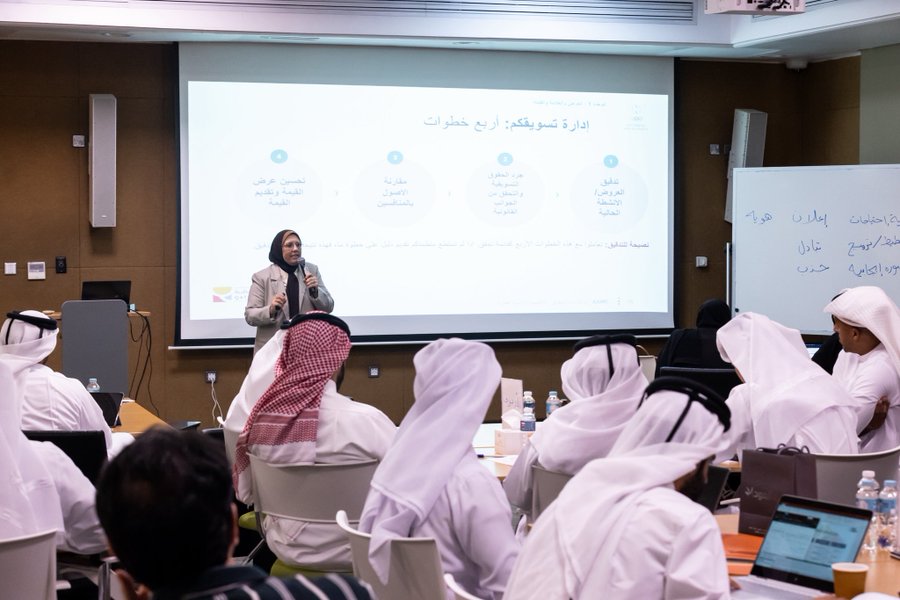
Conclusion of the Fifth Module, “Marketing Management in Sports and Olympic Organizations,” of the Sports Management Diploma Program
Doha, Qatar As part of its mission to develop national and Arab professionals working in the sports sector, the Qatar Olympic Academy continued the delivery of its Sports Management Diploma Program, accredited by the International Olympic Committee (IOC), Olympic Solidarity, and the International Olympic Academy. The Academy recently concluded the fifth module of the program, entitled “Marketing Management in Sports and Olympic Organizations,” held on 12 and 13 October 2026, with the participation of 54 male and female students representing a distinguished group of learners and professionals from sports organizations, committees, clubs, and sports federations, covering a wide range of professional and academic disciplines.
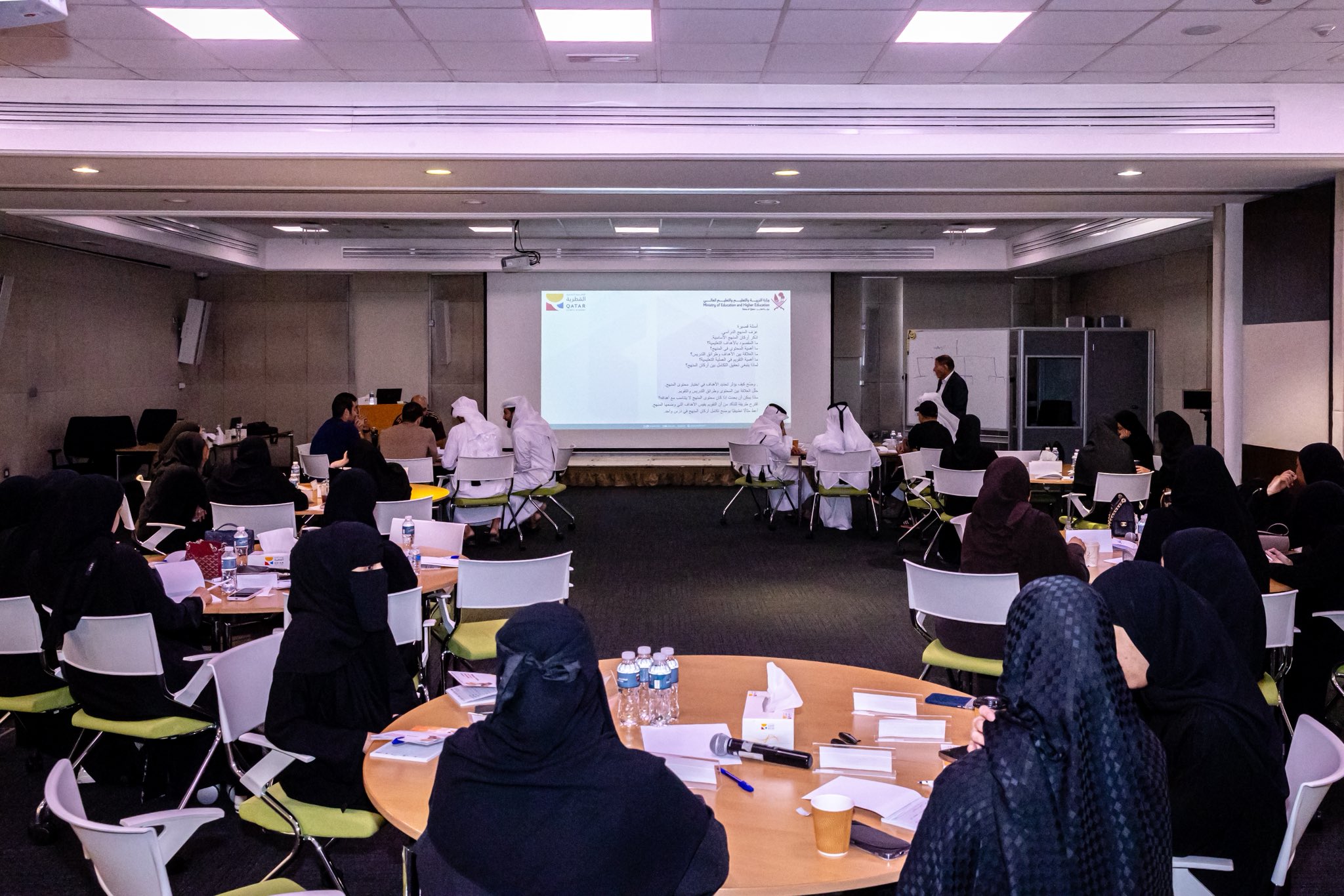
Closing of the Physical Education Teachers Preparation Course in Light of Olympic Values
Doha, Qatar As part of its ongoing efforts to contribute to the development of Qatar’s national sports and educational systems, the Qatar Olympic Academy, in cooperation with the Ministry of Education and Higher Education, successfully delivered the “Physical Education Teachers Preparation Course in Light of Olympic Values.” The course was designed for Level One Physical Education teachers in the State of Qatar and formed part of a comprehensive program aimed at enhancing teachers’ professional competencies and preparing them to keep pace with modern developments in education, physical education, and school sports.
Qatar Olympic Academy Concludes “Sports Policies and Legal Frameworks in Sport” Course
Doha, September 30, 2026 The Qatar Olympic Academy successfully concluded its Sports Policies and Legal Frameworks in Sport course, held over three days from September 28 to 30, 2026, with the participation of professionals and stakeholders from the sports sector both within and outside the State of Qatar. Participants represented various governmental and private sector organizations and came from diverse professional and academic backgrounds.