
Doha, Qatar
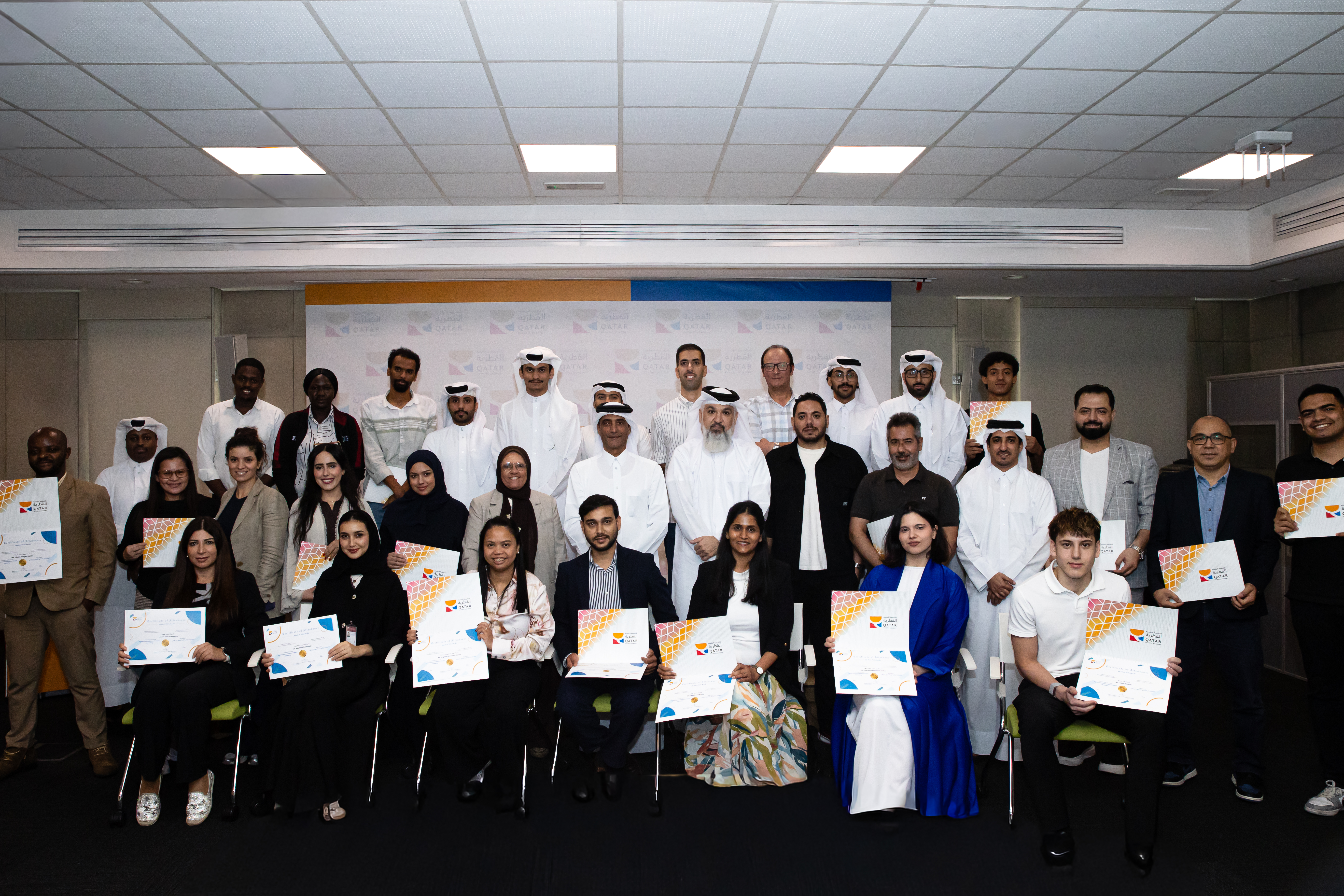
The Qatar Olympic Academy has concluded its Digital Communications in Sports Marketing course, held at the Academy's headquarters from 31 August to 3 September 2026, as part of the diverse programs and courses offered within the Academy's 2026 academic calendar. The course aimed to develop the capabilities of professionals and individuals interested in the sports sector while keeping pace with the rapid developments in marketing, media, and digital communications.
The course was delivered by Professor Dr. Dalia Abdulrahman Farag, Academic Expert at the Qatar Olympic Academy. Spanning four days, the program combined theoretical knowledge with practical applications, providing participants with the opportunity to explore the latest concepts and practices in digital communications and sports marketing and apply them through real-world case studies and campaign exercises.
The course attracted more than 50 participants from various professional backgrounds and sectors, reflecting the growing interest in digital transformation and contemporary marketing approaches within the sports industry.
Day One: Introduction to the Sports Marketing and Digital Communication Ecosystem
The first day introduced participants to the concepts of sports marketing and the sports ecosystem, while examining the sporting landscape in the Gulf region and the structure of the digital ecosystem. This helped participants understand the environment in which sports organizations and events operate, as well as the role of digital communication in reaching audiences and strengthening the presence of sports institutions.
Participants also engaged in a practical exercise involving the analysis and evaluation of the digital ecosystem of sports events. The activity aimed to connect theoretical concepts with professional practice and enhance understanding of communication channels, target audiences, and strategies for building a more effective digital presence.
Day Two: Audience Engagement, Content Creation, and Storytelling
The second day focused on audience segmentation, target audience analysis, content strategy, storytelling techniques, and impact measurement. Participants learned the importance of developing sports content based on audience interests and expectations, as well as selecting appropriate messages and communication approaches.
The sessions also highlighted the role of content in strengthening relationships between sports organizations and their audiences. Special emphasis was placed on transforming marketing messages into compelling stories capable of attracting attention and increasing engagement, alongside examining methods for measuring content effectiveness and evaluating outcomes.
Day Three: Social Media Platforms and Digital Campaign Design
On the third day, the course explored the role of social media platforms within the sports marketing ecosystem, digital channel strategies, performance measurement, and the selection of appropriate communication channels based on audience characteristics and organizational objectives.
Participants took part in an extensive practical workshop during which they designed digital marketing campaigns for sports events. Drawing on the concepts covered in previous sessions, including audience analysis, content strategy, storytelling, and digital platforms, participants transformed theoretical knowledge into actionable campaign plans.
These practical activities enhanced participants' skills in campaign planning, target audience identification, channel selection, content creation, and the use of performance indicators and analytical tools to measure impact and effectiveness.
Day Four: Integrated Strategies and Practical Presentations
The fourth and final day focused on completing the practical component of the course. Participants worked on developing integrated digital marketing strategies for sports campaigns, incorporating the knowledge and skills acquired throughout the program.
Participants presented their projects and digital campaign strategies, followed by discussions and evaluations of the proposed ideas and plans. This experience enabled them to move beyond theoretical understanding and develop practical models that can be applied within sports organizations and events.
The final day therefore served as a comprehensive culmination of the course themes, ranging from understanding the sports marketing ecosystem, digital environments, and audience dynamics, to content strategy, storytelling, social media platforms, performance measurement, and the design and implementation of integrated digital campaigns.
Supporting Digital Transformation in the Sports Sector
The Digital Communications in Sports Marketing course forms part of the Qatar Olympic Academy's ongoing efforts to develop professional competencies within the sports sector and provide educational and training programs that combine academic knowledge with practical application. These initiatives align with the ongoing transformation of the sports industry in the fields of media, marketing, and communications.
Through its specialized programs and courses, the Qatar Olympic Academy continues to contribute to the development of sports and administrative professionals by equipping them with modern knowledge and tools that support institutional growth, enhance communication capabilities, and strengthen impact within today's evolving digital landscape.
More news

Qatar Olympic Academy Concludes “Sports Policies and Legal Frameworks in Sport” Course
Doha, September 30, 2026 The Qatar Olympic Academy successfully concluded its Sports Policies and Legal Frameworks in Sport course, held over three days from September 28 to 30, 2026, with the participation of professionals and stakeholders from the sports sector both within and outside the State of Qatar. Participants represented various governmental and private sector organizations and came from diverse professional and academic backgrounds.
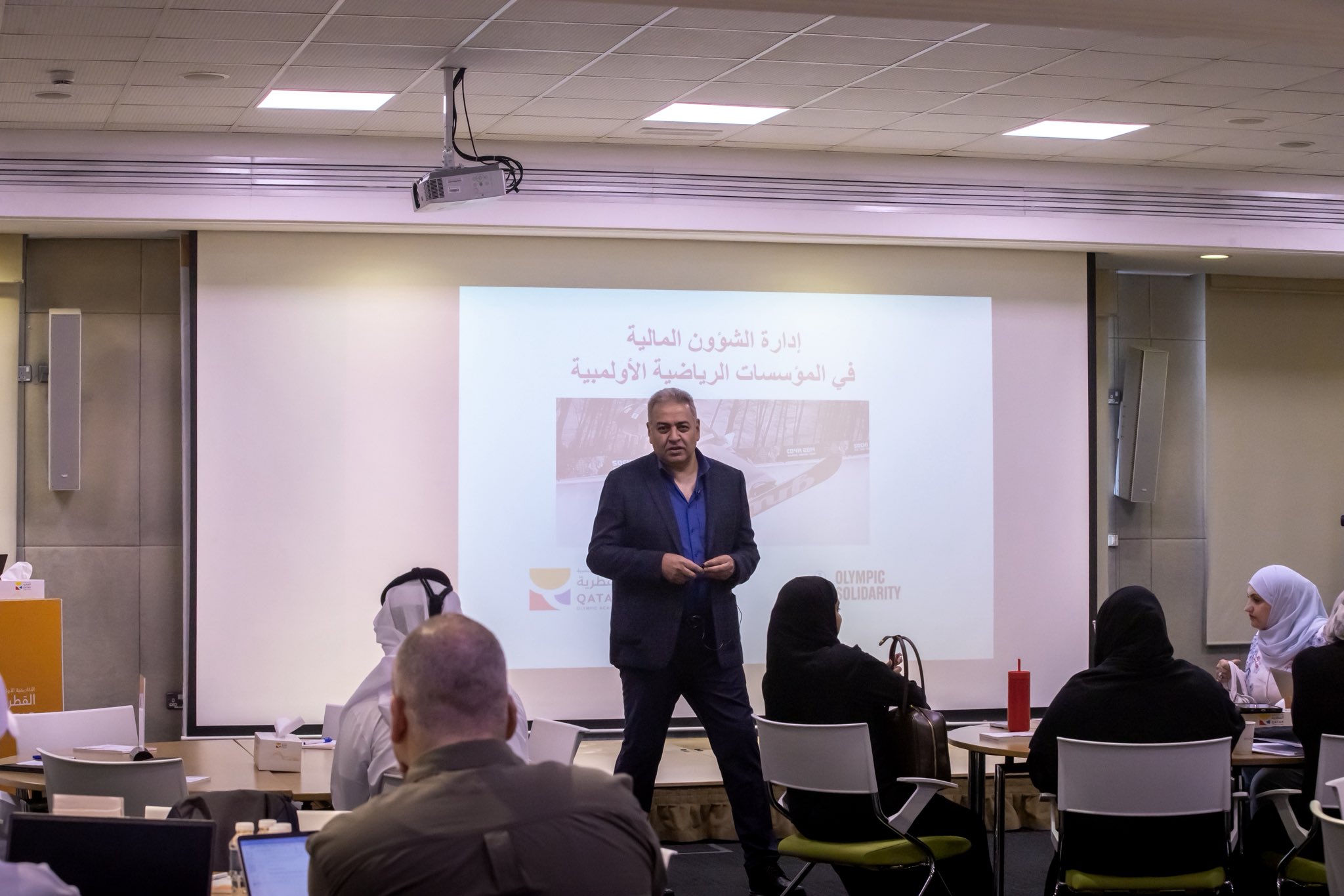
Qatar Olympic Academy Concludes Module on Financial Management in Sports Organizations
Doha, Qatar The Qatar Olympic Academy has concluded the fourth module of its Sports Management Diploma Program, titled “Financial Management in Sports Organizations,” as part of the Academy’s ongoing efforts to develop and empower sports and administrative professionals while enhancing their knowledge and skills across various disciplines related to modern sports management.
Exceptional Achievements in Sports Education and Digital Transformation Within Six Months
Doha – 26 July 2026 The Qatar Olympic Academy (QOA) has further solidified its position as one of the leading institutions in Olympic education and sports leadership at both the national and regional levels. During the first half of 2026, the Academy achieved a series of institutional, academic, and media milestones that reflect the success of its strategy in developing sports competencies, promoting sustainable education, and supporting the goals of Qatar National Vision 2030. According to the Academy’s semi-annual report, the period from January to June 2026 witnessed significant growth across all areas of operation, including academic and training programs, international strategic partnerships, media and digital presence, and the launch of new initiatives aimed at advancing digital transformation and enhancing the experience of learners and beneficiaries.