
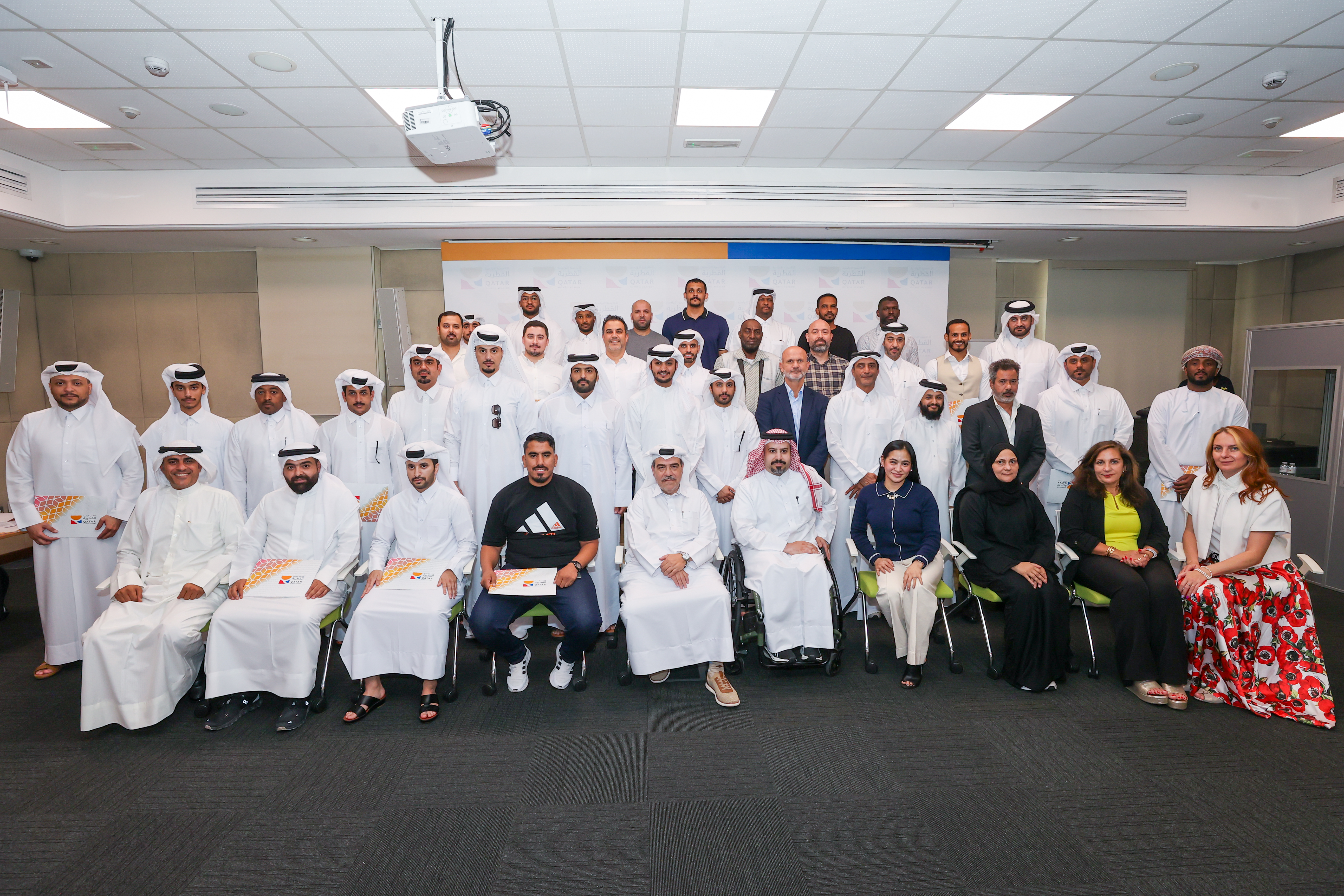
Doha, September 3, 2025
The Qatar Olympic Academy has successfully concluded its specialized training course on "Managing Major Sports Events," reinforcing its pivotal role in developing sports and administrative expertise at both local and international levels.
This program, one of the academy's flagship initiatives for the year, drew more than 90 participants from Qatar and beyond, representing diverse professional and academic backgrounds, including leadership roles in sports federations, clubs, institutions, and professional athletes. Held from August 31 to September 4, 2025, at the academy's headquarters, the course was led by Dr. Sakis Patsilas, former Deputy Executive Director of the FIFA World Cup Qatar 2022. A renowned expert in sports event management, Dr. Patsilas brings over two decades of experience, having contributed to events such as the Doha Asian Games 2006, the AFC Asian Cup 2023, various European championships, and Olympic Games.
He holds a PhD in Sports Management and Media, as well as a Master's in European Sports Governance, and has collaborated with FIFA on key organizational plans for global tournaments, including mobility and accommodation strategies for teams and fans.
The curriculum focused on nine core modules, drawing from real-world examples like the 2022 World Cup to provide comprehensive coverage of major sports event management:
Introduction to Major Sports Events: The course opened with an overview of global events like the Olympics and football championships, highlighting their evolution into massive economic drivers that boost host nations' GDP. For instance, the 2022 World Cup attracted over a million visitors to Qatar, contributing to a 4.1% economic growth that year. Emphasis was placed on balancing cultural and social contexts, particularly in the Middle East, with international standards.
Bidding and Hosting Rights: This module explored the bidding process, including technical and financial proposals. Drawing from Qatar's successful World Cup bid, Dr. Patsilas discussed building partnerships with bodies like FIFA and the IOC, while addressing challenges such as environmental and ethical compliance. He noted how emerging nations like Qatar can compete through innovative infrastructure.
Strategic Planning: Participants learned about long-term planning, goal-setting, budgeting, and risk management.
Using the 12-year preparation for the 2022 World Cup as a case study, the focus included sustainability measures, such as modular stadiums to minimize environmental impact, and alignment with national visions like Qatar National Vision 2030.
Marketing, Sponsorship, and Media: Strategies for attracting sponsors and audiences were covered, with examples from the World Cup's campaigns that secured global partners like Coca-Cola and Adidas, generating over $7 billion in revenue. The module also addressed digital media's role in global branding and crisis management.
Operations and Logistics Management: This section emphasized daily coordination, including transportation, security, and supplies. Qatar's use of the new Doha Metro to efficiently move millions of fans without major incidents served as a key example, underscoring the value of pre-event drills and government collaboration. - **Human Resources and Volunteer Management**: Topics included recruitment, training, and motivation, spotlighting the 20,000 volunteers at the 2022 World Cup in a multicultural setting.
Team and Delegation Management: Coordination for participating teams, such as accommodations and training facilities, was discussed, with references to Qatar's Olympic villages designed for athlete comfort.
Technology and Fan Experience: The integration of smart apps, virtual reality, VAR technology, and electronic ticketing was explored to enhance spectator engagement and reduce congestion.
Evaluation, Continuous Improvement, and Legacy: The course concluded with methods for assessing event success and ensuring lasting impacts, such as repurposing Qatar's stadiums into community hubs post-tournament.
Khalil Ibrahim Al Jaber, Executive Director of the Qatar Olympic Academy, described the course as a cornerstone of the academy's annual agenda. "We are proud of the success of this program, which achieved its diverse objectives, including enhancing administrative, technical, and organizational skills," he said. "By sharing the extensive expertise of Dr. Patsilas—who has been involved in major events from the 2006 Doha Asian Games to the 2022 FIFA World Cup—we are equipping a new generation of administrators, staff, and athletes." Al Jaber highlighted the strong demand from participants across Qatar and internationally, reflecting the program's relevance and the community's eagerness to apply these insights to upcoming events in the region. "The diversity in participants' cultures, expertise, and affiliations—from local and international institutions—demonstrates the trust in our offerings," he added. "This aligns with Qatar National Vision 2030 in building a sustainable sports society and supports our mission to promote sports culture." Looking ahead, Al Jaber announced an upcoming course on "Sports Facilities Management" later this month, presented by Engineer Saud Al Dalaimi, Business Development Director at Barwa and a board member of the Qatar Society of Engineers. The program will delve into specialized topics, including facility management introductions, logistical and infrastructure planning, operations during major events, human resources, marketing, security and safety, crisis management, environmental sustainability, and technological innovations.
More news

Qatar Olympic Academy Concludes “Sports Policies and Legal Frameworks in Sport” Course
Doha, September 30, 2026 The Qatar Olympic Academy successfully concluded its Sports Policies and Legal Frameworks in Sport course, held over three days from September 28 to 30, 2026, with the participation of professionals and stakeholders from the sports sector both within and outside the State of Qatar. Participants represented various governmental and private sector organizations and came from diverse professional and academic backgrounds.
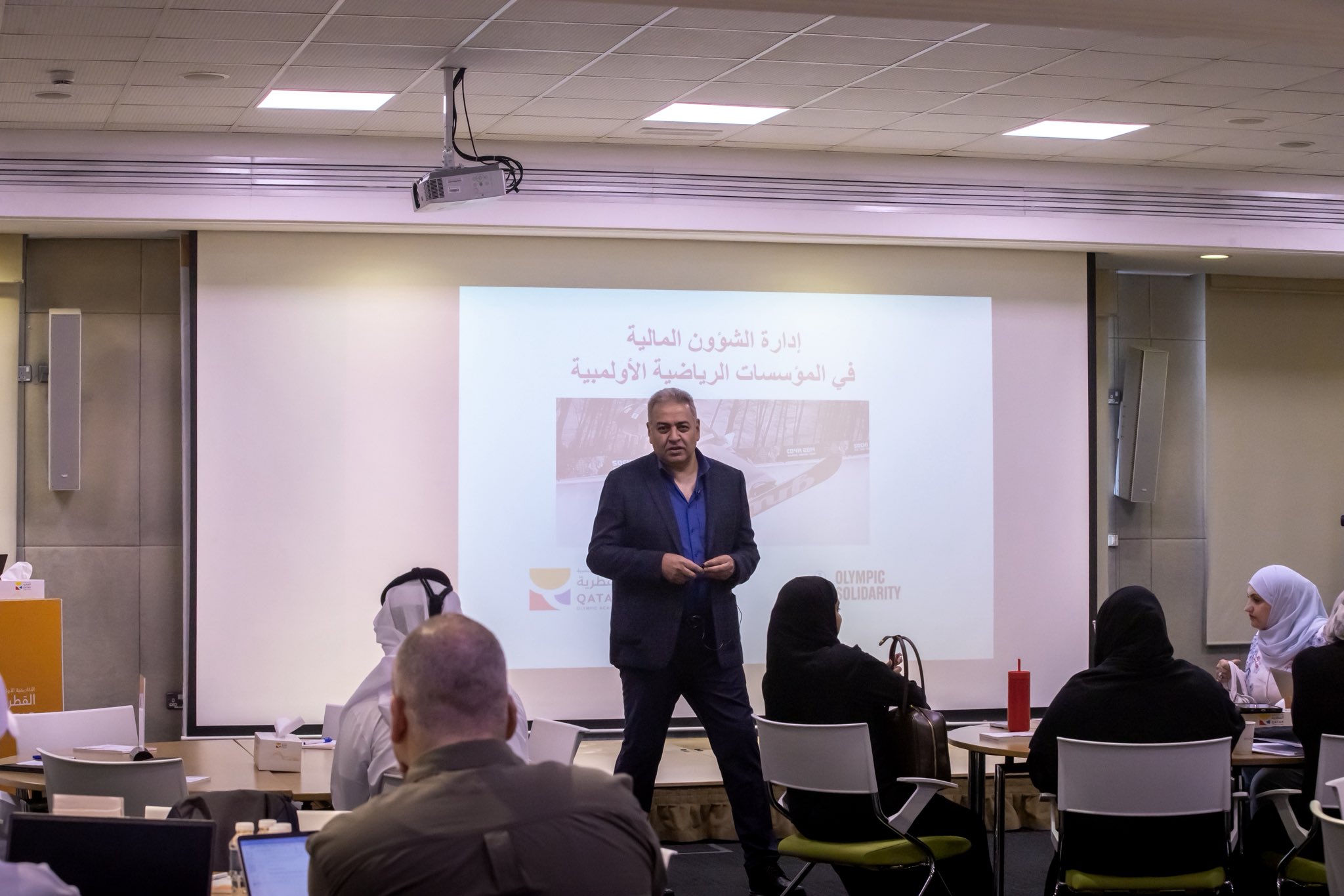
Qatar Olympic Academy Concludes Module on Financial Management in Sports Organizations
Doha, Qatar The Qatar Olympic Academy has concluded the fourth module of its Sports Management Diploma Program, titled “Financial Management in Sports Organizations,” as part of the Academy’s ongoing efforts to develop and empower sports and administrative professionals while enhancing their knowledge and skills across various disciplines related to modern sports management.
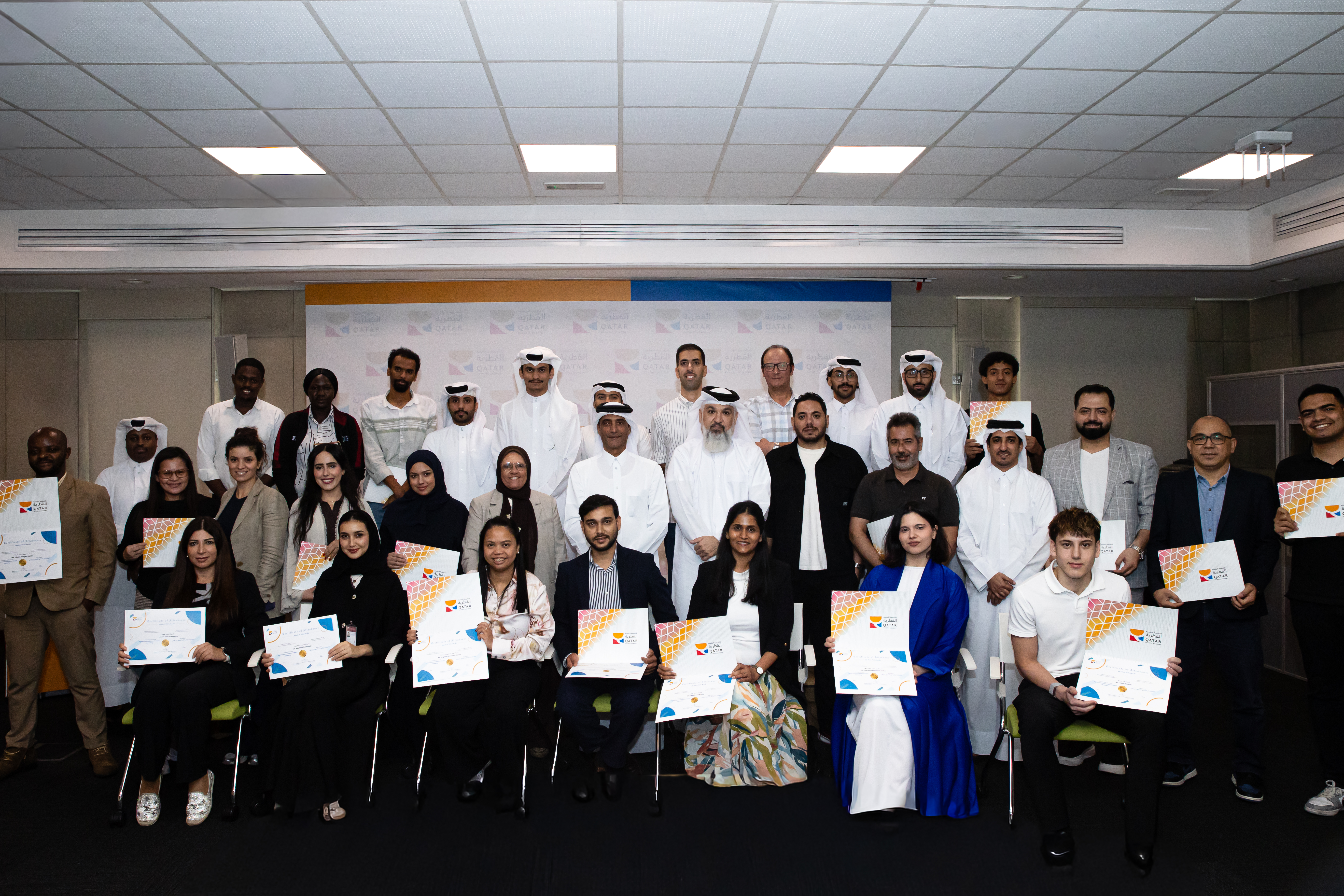
Qatar Olympic Academy Concludes "Digital Communications in Sports Marketing" Course
Doha, Qatar The Qatar Olympic Academy has concluded its Digital Communications in Sports Marketing course, held at the Academy's headquarters from 31 August to 3 September 2026, as part of the diverse programs and courses offered within the Academy's 2026 academic calendar. The course aimed to develop the capabilities of professionals and individuals interested in the sports sector while keeping pace with the rapid developments in marketing, media, and digital communications.